


Victim Blaming: Why It Happens, Why It's Wrong, and Why It Has to Stop

Updated: Aug 1
Say It With Your Chest Out is a series about saying the hard things boldly and standing proud while I say them. Shame teaches survivors to shrink and whisper. Here, we do neither.
Nothing makes me angrier than victim blaming, not just when it's aimed at me, but when I see it done to anyone. It doesn't matter what someone was wearing or where they were. It doesn't matter if they were drunk or sober. Physical contact must be consensual, and anything less than that is assault, sexual assault, rape.
Yes, I said the "R" word. I find it troubling that we've let social media platforms decide which words we're allowed to use. Controlling language is one of the first steps toward controlling how people think, and we're swallowing it hook, line, and sinker. When someone comments on a post claiming a victim deserved what happened because of what they wore or where they were, that's another form of the same control. It dictates who we perceive as deserving of rights and who we don't. It also imposes a standard of "modesty" that isn't part of everyone's beliefs. We should all be free to dress how we want and no, dressing a certain way is not an invitation to be touched or treated inappropriately. Assumptions may follow how a person dresses, but sexual assault is never on the table. Ever.
What Victim Blaming Looks Like in Real Life
I've been sexually harassed since grade school by classmates, yes, but also by the truck drivers passing through my small East Coast town while I walked home from school. I wasn't dressed in any way a grade-schooler shouldn't dress, and I certainly couldn't control how I looked. But every single day, I was catcalled and harassed by strangers passing through. There was no one to turn to and no way to make it stop. So, I learned to cover up in hot weather, to hate my body, and to avoid eye contact with everyone. I added it to the pile of trauma I was already carrying from being bullied by kids my own age, and I tried to make myself smaller and smaller so people would just leave me alone. I did not deserve that nor did I consent to it.
"What Were You Wearing?" Is Never the Right Question
When someone says they were assaulted, the first question should never be "What were you wearing?" There is no defense for that question. Defending it only serves to protect your own sense of moral superiority. I don't know if people genuinely believe you can prevent sexual assault by covering up, but the truth is this: someone who wants to rape doesn't care if you're wearing a dress, a potato sack, or if you're eighty years old. What people wear is not the problem. The fact that people are raping and assaulting others, is the problem.
How Victim Blaming Fuels Rape Culture

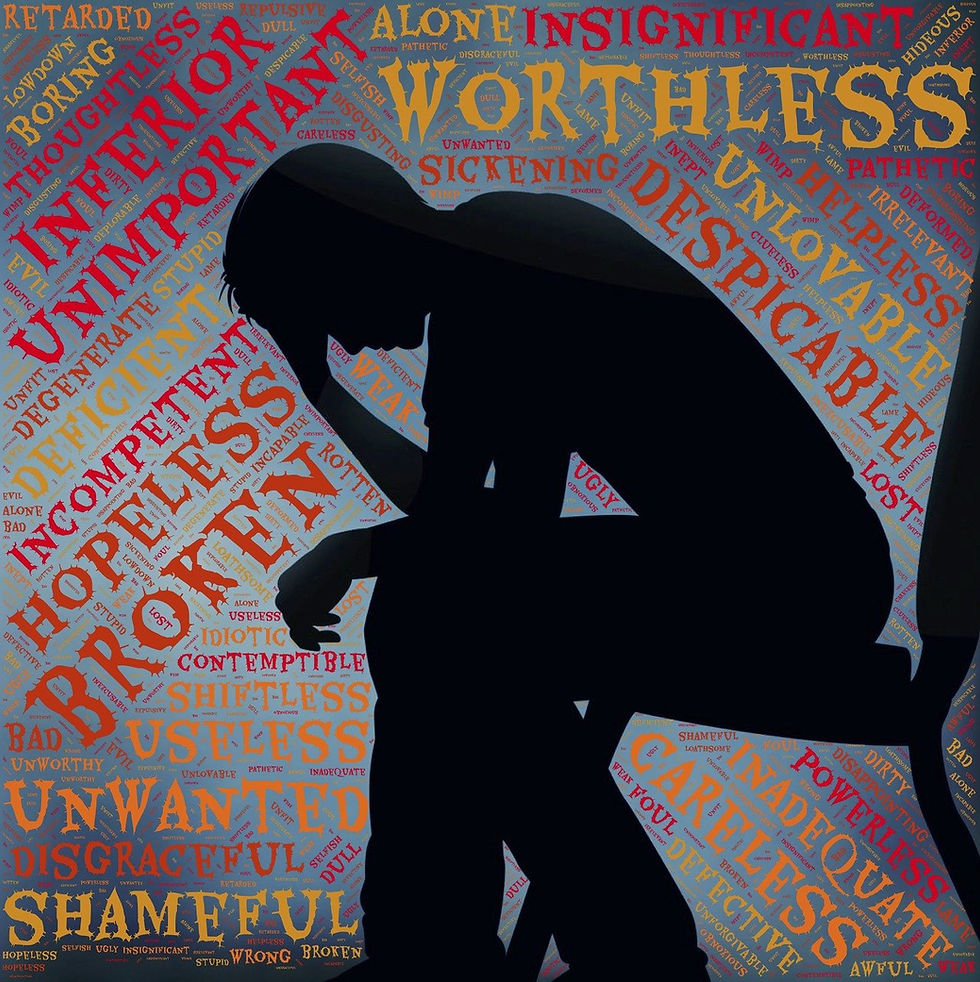
Do you know what happens when we blame the victim? We tell that abuser and every other actual or potential abuser that if they hurt someone, it isn't their fault, but that it's the victim's fault for being "enticing." That is the foundation of rape culture: a set of beliefs that shifts responsibility from the perpetrator to the survivor. Siding with the abuser over the victim should horrify us. Is that really the society we live in? Yes, it is. It's the society we've always lived in. That's exactly why it has to change.
And let's be clear about something else: victims are not always women, and perpetrators are not always men. Men and boys are sexually assaulted too, and women can be abusers too. Male survivors face their own brutal version of victim blaming: "You should have fought back." "You must have wanted it." "Men can't be raped." Those lies keep men silent the same way "what were you wearing?" keeps women silent. Victim blaming has no gender, and neither does the harm it does.
Women's Freedom Was Hard-Won - Victim Blaming Tries to Take It Back
The sexual revolution of the '60s was never just about free love, but that perception was a byproduct of it. At its heart, it was about women finally having the freedom to be themselves with it being more socially acceptable for them to make their own choices, including how they dress. It wasn't until the Equal Credit Opportunity Act of 1974 that women could even get credit without a male cosigner. Only then did we begin to have real financial independence, and the freedom to define ourselves on our own terms. Women are not the weaker sex. Yes, we build muscle more slowly and, on average, less of it than men, but that does not make us weak. We don't need to be protected like delicate flowers or prevented from making our own decisions. We've made real strides toward equality in this country, and yet victim blaming persists.
How to Stop Victim Blaming: Believe Survivors
So let me say it one more time: when you blame the victim, you are siding with the abuser. When survivors know they won't be blamed or dismissed, it becomes easier to ask for help and harder for abuse to continue. Believe survivors. Speak up when you hear victim blaming. Choose better.
This post is part of Say It With Your Chest Out. These subjects carry so much shame, but we didn't earn that shame and we don't have to carry it. Say it loud. Stand tall.
If you or someone you know has experienced sexual assault or harassment, support is available through the National Sexual Assault Hotline at 1-800-656-4673 or online at rainn.org.
What are your thoughts about victim blaming? Let me know in the comments or find me on social media!
The Diary Of A Flopping Fish and any posts or articles published on Diaryofafloppingfish.com are not reviewed by a therapist or medical or mental health professional. Resources are cited, and opinion is opinion. No advice or opinions in any articles replace professional advice from a doctor, therapist, or any other kind of health professional. The author is not a licensed professional of any kind.
Buy me a coffee if you want to leave a tip!



Comments